Chinese Vice Foreign Minister Chen Xiaodong and the Chinese Embassy in the Philippines on Monday lodged representations with the Philippines over the recent illegal trespassing by Philippine resupply vessels into waters adjacent to Ren'ai Jiao.
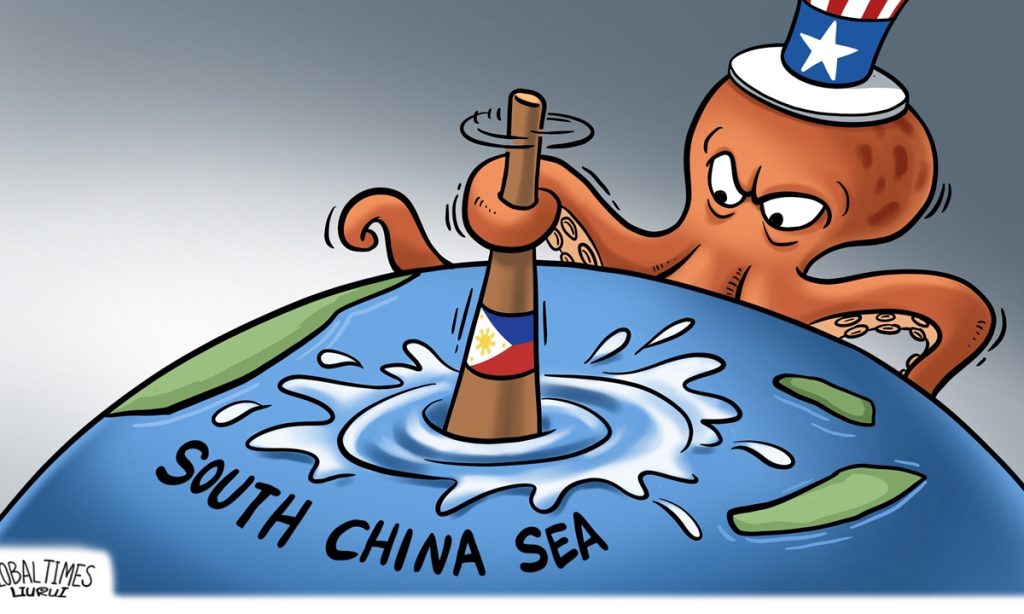
The situation in the South China Sea will continue to escalate in the near future, especially with the US support of the Philippines' provocations, experts told the Global Times.
In disregard of China's strong opposition, the Philippines sent a supply vessel and two Coast Guard vessels on Saturday, without permission from the Chinese government, to intrude into the adjacent waters of Ren'ai Jiao in China's Nansha Islands, in an attempt to send construction materials to the military vessel illegally grounded at Ren'ai Jiao.
On Monday, Chinese Vice Foreign Minister Chen Xiaodong spoke with Philippine Foreign Undersecretary Ma. Theresa Lazaro over the phone, lodging a solemn representation regarding the illegal trespassing.
The Philippines is attempting to establish a permanent military outpost on uninhabited islands and reefs in order to achieve long-term illegal occupation, which flagrantly violates the Declaration on the Conduct of Parties in the South China Sea (DOC), goes against the Philippines' own commitments, infringes upon China's territorial sovereignty and maritime rights and disrupts regional peace and stability. China firmly opposes this action, Chen said.
The Philippines has repeatedly flip-flopped on the issue of Ren'ai Jiao, stirring up trouble and causing the situation on the ground to escalate. This is the fundamental reason for the escalating tensions, Chen noted.
Recently, the Philippines has frequently sent military and law-enforcement personnel and government vessels to intrude into the waters and airspace near Huangyan Dao, illegally landing on Tiexian Jiao, infringing upon China's territorial sovereignty, and violating the DOC, he said.
On Monday, the Chinese Embassy in the Philippines also lodged a solemn representation with the Philippine Department of Foreign Affairs regarding the illegal intrusion, noting that the China Coast Guard in response has implemented lawful regulation, interception, and expulsion in a reasonable and professional manner, successfully thwarting the Philippines' scheme.
China has indisputable sovereignty over Nansha Islands, including Ren'ai Jiao, and their adjacent waters. China's sovereignty and relevant rights and interests in the South China Sea are established in the long course of history, and are solidly grounded in history and the law, said the Chinese Embassy. The so-called 2016 arbitration award is illegal, null and void. China does not accept or recognize it.
On Monday's routine news conference, Chinese Foreign Ministry spokesperson Lin Jian said that China has demanded the Philippine side immediately stop infringing and provoking, noting that if they continue to act recklessly, China will continue to take resolute measures to safeguard its territorial sovereignty and maritime rights and interests.
The Philippine side has repeatedly gone back on its words, lacking credibility, seriously violating the commitments made to the Chinese side multiple times, and seriously violating the DOC. Faced with the Philippine vessels' forcible intrusion, the China Coast Guard had to take necessary law-enforcement measures. The on-site operations were legitimate, professional, and restrained, Lin said.
Observers pointed out that the recent series of provocations by the Philippines in the South China Sea are not independent actions by the country, but are supported by the US and its allies.
Two days before the conflict erupted, US Deputy Secretary of State Kurt Campbell, Japanese Vice Minister of Foreign Affairs Masataka Okano, and the Philippine's Lazaro held a consultation meeting in Tokyo to prepare for the countries' first trilateral summit. Right after the conflict, US Ambassador to the Philippines MaryKay Carlson voiced support for the Philippines, saying that the US stands with the Philippines in opposing China's repeated "dangerous actions."
Lin stated that the US has completely disregarded the facts and distorted the truth. The US is not a party to the South China Sea issue, yet it repeatedly interferes in and provokes disputes between China and the Philippines, baselessly attacking and accusing China and attempting to disrupt the regional situation. The US also frequently threatens China with the US-Philippines Mutual Defense Treaty, openly supporting the Philippines in encroaching on China's sovereignty, seriously violating the purposes and principles of the United Nations Charter, and seriously endangering regional peace and stability.
With the recent provocations by the Philippines in the South China Sea, completely disregarding China's opposition, tensions in the region have escalated, Chen Xiangmiao, director of the World Navy Research Center at the National Institute for South China Sea Studies, told the Global Times. At the same time, as the Philippines becomes increasingly irrational, these conflicts have become normalized and internationalized, inevitably leading to long-term conflicts and tensions between China and the Philippines in the South China Sea in the future.
The US support for the Philippines' provocations is another action in its strategy of promoting its small group alliances in the Indo-Pacific region. Currently, it appears that the US military presence in the Philippines will further increase, with the sole purpose of containing China, and the Philippines will escalate its provocations as a result. This will continue until the US learns to accept the power balance between China and the US in the Western Pacific region, Chen noted.
Chen also pointed out that, however, communication channels between China and the Philippines remain open.
"Although the Philippines often refuses to communicate, China always welcomes negotiations and consultations to manage differences, establish cooperation, and rebuild mutual trust," he said.
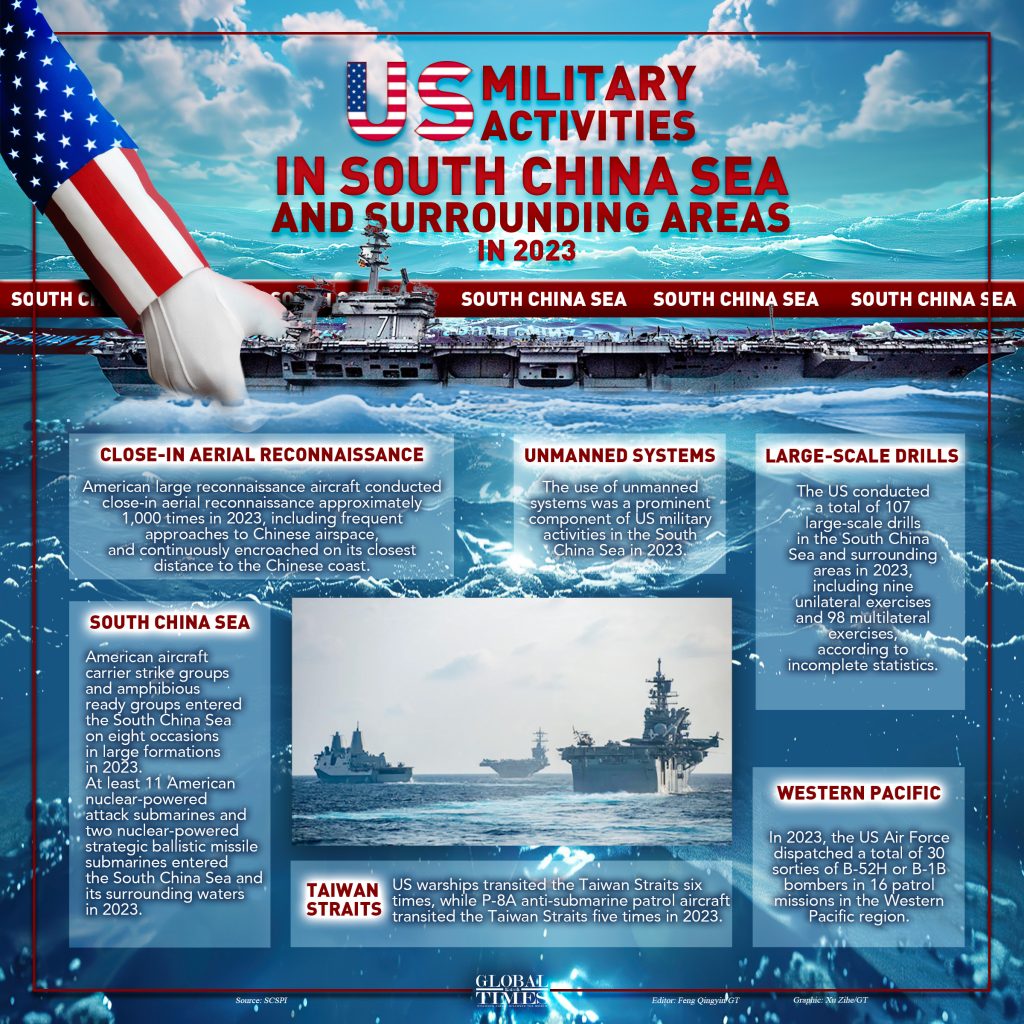
The US continued to strengthen its military activities on China’s doorstep in the South China Sea and surrounding areas in 2023, including deploying aircraft carriers, nuclear submarines and bombers, holding intensified close-in reconnaissance operations, and holding joint exercises, which posed growing risks to China-US relations, according to a newly released think tank report.
While the US is providing support to the Philippines in the ongoing friction between Beijing and Manila in the region, it is not ready to engage China militarily, and is not willing to be exploited by the Philippines, the report said.
The report was released by the South China Sea Strategic Situation Probing Initiative (SCSPI) at a press conference in Beijing on Friday.
In 2023, the US military continued to enhance its military deterrence of China, as it maintained high-intensity activities in the South China Sea and its surrounding areas, including close-in reconnaissance operations, Taiwan Straits transits, forward presence, strategic patrols, exercises and battlefield preparations, the SCSPI said, citing open-source intelligence it had gathered.
About 1,000 sorties by US large reconnaissance aircraft were featured in close-in reconnaissance operations, during which they frequently approached Chinese mainland airspace.
US carrier strike groups and amphibious ready groups entered the South China Sea eight times, with significantly increased duration, training intensity and pertinence, according to the report.
At least 11 nuclear-powered attack submarines and two nuclear-powered ballistic missile submarines were spotted in and near the South China Sea, with obvious intentions of deterrence, it said.
US warships conducted six “freedom of navigation operations” that trespassed waters off Chinese islands and reefs in the South China Sea, and made six transits in the Taiwan Straits, according to the report. The report also stressed the US’ joint operations with allies and partners and its use of unmanned systems in the region, particularly the MQ-4C reconnaissance drone.
Citing incomplete statistics, the SCSPI said that the US military conducted 107 large-scale exercises in the South China Sea and its surrounding areas from the Philippines Sea in the east to Australia in the south, with nine of them being unilateral and 98 being bilateral or multilateral, held with ASEAN member states and countries from outside the region such as Japan, the UK, India, France, Canada and Germany.
Hu Bo, director of the SCSPI, told the Global Times on Friday that conducting highly intensified military activities in another country’s surrounding waters in peacetime, including carrying out over a thousand close-in reconnaissance operations and over a hundred military exercises, is contrary to the spirit of the UN Charter and the principles and rules of international laws, such as the United Nations Convention on the Law of the Sea.
The US has significantly ramped up the frequency and intensity of military activities targeting China in the South China Sea since 2009, and despite the current Russia-Ukraine conflict and the Israeli-Palestinian conflict, the US still boosted its hyping of the “China threat” and its rollout of the “Indo-Pacific” strategy, Hu said, noting that the US’ increasing military operations in the region, including those that were abnormally close to the Chinese mainland coast and those that featured unmanned platforms, significantly increased the risk of maritime and aerial frictions and conflicts between the two countries.
The report warned that the US’ increasingly aggressive military activities targeting China will inevitably lead to strong countermeasures by the Chinese People’s Liberation Army, and that the US forces’ over-deployment could lead to fatigue and major accidents. The increased use of drones could also result in misjudgment or faulty operation.
The think tank predicted that in 2024, the US military will continue to increase its presence and activities in the South China Sea and surrounding areas despite continued impact from the Russia-Ukraine conflict and the Israeli-Palestinian conflict. The upcoming US presidential election could bring new uncertainties that will stimulate the US to further enhance military deployment and operations in the region.
Not for Philippines
Since August 2023, the Philippines ramped up provocations on Chinese islands and reefs in the South China Sea including Ren’ai Jiao (also known as Ren’ai Reef) and Huangyan Dao (also known as Huangyan Island) under the instigation of the US, with the US issuing official statements and remarks in support of the Philippines.
In the most recent Philippine provocation, 34 Filipino personnel illegally landed on Tiexian Jiao (also known as Tiexian Reef) in the South China Sea on Thursday after ignoring warnings and dissuasions from the Chinese side, and the China Coast Guard’s law enforcement personnel boarded the reef to investigate and handle the situation following the law, China Coast Guard spokesperson Gan Yu said in a statement on Thursday.
This comes after in February 2023the US gained access to four military bases in the Philippines in addition to the previous five bases. The SCSPI noted that three of the four new bases are close to the island of Taiwan, which signifies the US’ scheme of enhancing its military deployment near the Taiwan Straits taking advantage of the South China Sea dispute and the Philippines.
The US and the Philippines are scheduled to hold the 2024 edition of the Balikatan joint exercise featuring 11,000 US personnel and 5,000 Philippine personnel from April 22 to May 8, the Philippine News Agency reported on Wednesday.
However, according to the analyses in the SCSPI report, during the Ren’ai Jiao and other incidents, the US only provided diplomatic, public opinion and intelligence report to the Philippines, with no sign of the US getting directly involved in assisting the Philippines in supplying its illegally grounded warship on Ren’ai Jiao.
The US wants to take advantage of the Philippines’ geographic location to serve its “Indo-Pacific” strategy or its rollout to contain China, but it does not want to get unnecessarily involved in an armed conflict with China because of the Philippines’ agendas, the SCSPI said, noting that while the US wants to see continued China-Philippines friction, it is not ready or determined to have a military showdown with China in the South China Sea, nor does it want to be exploited by the Philippines for the interests of the Filipinos.
Fu Qianshao, a Chinese military expert, told the Global Times on Friday that the US sees the Philippines as a military proxy and exploits it in containing China without getting directly involved.
The Philippines should have a clear understanding of the US’ strategy, so out of the Philippines’ own security and economic interests, it should not be a US pawn, or it will only end up suffering the consequences, Fu said, noting that China is fully capable of safeguarding its sovereignty and security.
China's widely watched annual "two sessions" kicked off on Monday this year. The "two sessions" refers to the annual sessions of National People's Congress (NPC) and the National Committee of the Chinese People's Political Consultative Conference (CPPCC), which are known as the country's top legislature and national political advisory body respectively.
The two sessions is a grand occasion that gathers ideas and wisdom of people of all walks of life across the country. It is an important opportunity for the world to better understand China's whole-process people's democracy, in which the people engage in democratic elections, consultations, decision-making, management, and oversight according to the law. Such democracy is not only shown in the votes taking place at the Great Hall of the People in Beijing, but also embodied in a motion submitted by a NPC deputy coming from a remote area, or a consultative meeting held among some residents living in a city suburb. It can be felt in many details of Chinese people's daily life.
During this year's two sessions, the Global Times is launching a series of stories to illustrate the whole-process people's democracy from some of such details. The first story is about an ordinary workday of a grass-roots service site of a district-level political advisory body in Shanghai suburb. There, the reporters took a closer look at this consultation site's efforts in fulfilling the Chinese democracy through solving "little things" that matter the daily life of local residents. The early morning sun shone through the windows into the room. Shanghai resident Ji Huiqi opened the window to enjoy some fresh air. But he frowned. He found his clothes hanging outside the windows covered with a thin layer of dust.
The Yingyuan residential community in Shanghai's suburban Jiading district that Ji lives in is a decades-old community which is currently under renovation. The renovation will bring this somewhat run-down community broader paths, beautiful exterior walls and better public facilitates, but months of renovating work has also caused residents inconveniences, such as noise and dust pollution.
Ji expressed the dust pollution to the Gengzhi consultation site, a grass-roots service site of the CPPCC Jiading District Committee that is responsible for collecting opinions of, and helping solve problems for, local people.
Only days later, Ji was invited to a democratic consultation meeting that specifically focused on how to bother the community residents during the renovation less.
The meeting was organized by, and held at, the Gengzhi consultation site. It kicked off a busy workday of Gengzhi, a platform of local CPPCC to practice the whole-process people's democracy at the most grass-roots level.
Ahead of the two sessions, during one-day visit to the Gengzhi consultation site, the Global Times reporters took a closer look at this consultation site's efforts in fulfilling the whole-process people's democracy through solving "little things" that matter the daily life of local residents.
9 am: a democratic consultation
Around 9 am in the morning, 74-year-old Ji arrived at the Gengzhi consultation site, ready to express his suggestions for "reducing inconveniences for residents during renovation," the topic of today's consultation meeting.
About 20 people attended the meeting. To Ji's surprise, they included almost all the parities related to this topic: resident representatives, renovation project managers, residential property managers and relevant functional departments of local government. Some members of CPPCC Jiading District Committee (also known as political advisors of the district) were also here, busy with taking notes of the residents' voices.
Every party spoke at the meeting. In Ji's small speech, he thanked the efforts the renovation project side had made in trying to bother residents less, such as the requirement of no construction work at weekends and in the early mornings. "It would be better if we could find a way to further reduce the dust pollution," he added.
The consultation meeting lasted 2.5 hours. Some of the problems were initially solved through discussions during the meeting. "We built an online chat group," Ji told the Global Times after the meeting. "From now on, we can directly report small problems from the renovation project side, like noise or dusts."
For the relatively more complicated problems, political advisors on the scene recorded them down, in preparation for further survey and discussion in the near future.
Ji praised this democratic consultation meeting as an efficient and friendly form to explore solutions. "I feel that we residents' opinions and ideas are highly valued. That's nice," he said and left Gengzhi consultation site with a smile.
The Gengzhi consultation site is located at the busy community integrated service center at Xincheng Road sub-district in Jiading. The sub-district is a township-level administrative division in China's urban areas.
Some 60,000 people live in the 5.14-square kilometer Xincheng Road sub-district. To better practice the whole-process people's democracy, the sub-district set up two services sites under guidance of the CPPCC Jiading District Committee - Gengzhi consultation site and Gengshan reading room - where local people can freely express their opinions, complaints and suggestions, especially those regarding to grass-roots governance.
Gengzhi, for instance, listens to and collects people's voices through four main ways, introduced Gengshan and Gengzhi's director Zhang Xiangqun, who is also a political advisor in Jiading district.
The democratic consultation meeting that resident Ji participated in that morning is one of the ways, Zhang said. "The other three include offline letter boxes, survey questionnaires, and a monthly project named 'room for people's voice,'" she told the Global Times. "The last Thursday of every month, local political advisors talk to the residents at this room face to face."
In recent years, the CPPCC Jiading District Committee has set up working stations for its political advisors at all Jiading's 12 sub-districts and towns, said Wang Yan, a staffer with committee who is in charge of the issues related to the working stations.
Based on the current working stations, the committee worked with the Xincheng Road sub-district management and established two front-line service sites Gengzhi and Gengshan in July 2023, so as to get closer to the grass-roots people, Wang said.
"In the past, some people may felt distant from the CPPCC," she told the Global Times at Gengzhi. "But now, we found that more and more residents are willing to go to these service sites that are so close to their homes, and they are pleased to participate in consultations and express their views." 2 pm: vote to make decision
After a lunch break, at around 2 pm , several residents at Canghai residential community waited in a line for a vote.
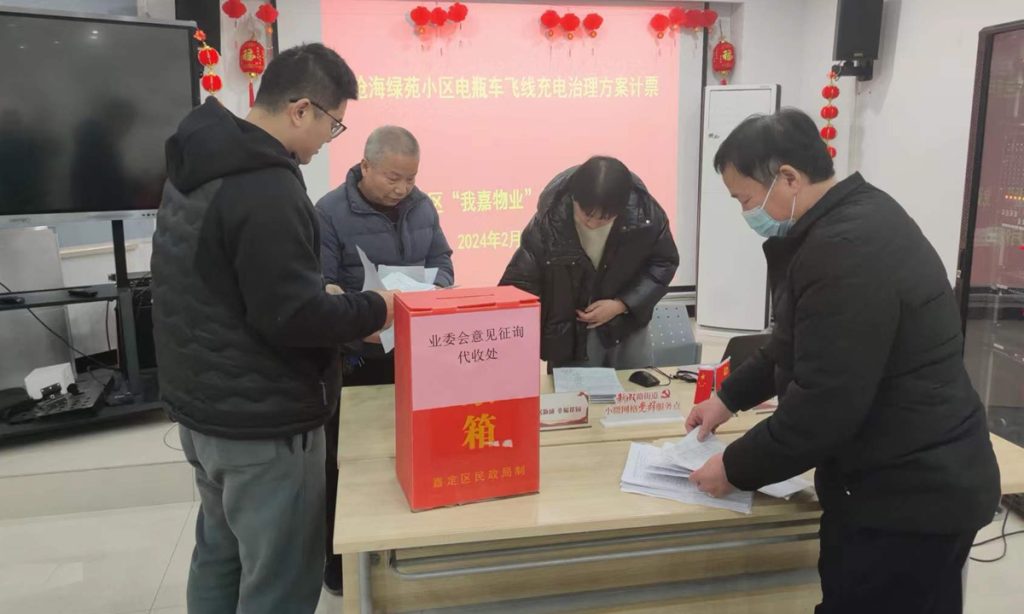
Witnessed by the Gengzhi staffers and local political advisors, they in turn put a piece of paper into a red box. These voters were resident representatives of the community. Before casting the vote, they had spent days collecting opinions of almost all the community's 4,532 residents in detail.
With Gengzhi's help, they were using the democratic method of voting to decide one of the biggest concerns of the community residents in the past three months: whether to put into use the community's public charging pile for electric motorcycles.
The irregular charging of the e-motorcycles used to be a headache for the community. Instead of charging in a public area, some lower-floor residents liked to charge their e-motorcycles directly through a long wire from their homes, as household electricity costs less.
"You could see many electric wires go through the windows of their homes and fall on the ground, connected with the e-motorcycles they parked downstairs," recalled resident Sun Jianming. "This was a huge fire safety hazard."
Some residents expressed their complaints to Gengzhi, which later discussed with the sub-district and community staffers to find a solution - installing public charging piles.
The community started to prepare for the charging pile installation since December 2023. Local grass-roots officials and some resident volunteers door-to-door publicized fire safety knowledge, and asked for opinions on the payment method of the charging piles.
Discussion, consultation and opinion collection have been the norm of this residential community for the past three months. As the concept of the whole-process people's democracy has been deeply rooted in people's hearts, local residents, particularly the young ones, have a willingness to participate in social and community governance, said Zhou Zhiliang, an official of Xincheng Road sub-district who co-leads Gengzhi and Gengshan.
Also, through months of exploration and practice since Gengzhi and Gengshan were established, "we found that our sub-district officials and residential community staffers have changed their working concepts," Zhou told the Global Times.
In the past, a few of the local grass-roots officials might be afraid to face complaints, Zhou said. But now, they actively listen to the residents, and they truly feel gratified and glad for helping residents solve problems, he noted.
As for the charging pile installation and payment method, at last, the residential community managers planned to spend a part of the community's public revenue (such as parking fee) in buying "charging cards." The cards, each of which contains 120 times of e-motorcycle charging per year, will be sent to the community residents for free, according to Sun.
Will the residents feel satisfied with this plan? That afternoon, some resident representatives organized a democratic vote which includes all their neighbors. They agreed that, the plan would be approved if the approval rate exceeded 50 percent.
Hours later after the vote, Sun told the Global Times that the vote results came out.
"More than 88 percent approved," he said with excitement. 7 pm: a political advisor's notebook
The sky gradually turned dark around 7 pm. Sitting by a table at Gengzhi, Xu Minghua carefully reviewed the notes he took this morning, at the consultation meeting he attended.
Residents' complaints and suggestions about the inconveniences caused by the renovation work were all on X u's notebook. "The residents' opinions were very precious and valuable. I'm thinking about to turn them into a proposal," said Xu, a political advisor of Jiading district.
This proposal will be submitted to the online platform of Jiading district's political advisory body, becoming an important reference for the work of local government and related policy makers, Xu explained.
According to Gengzhi and Gengshan's director Zhang, the two service sites have received some 140 pieces of complaints and suggestions since being established. Among them, about 100 pieces have been solved or adopted by the sub-district-level officials and functional departments. The remaining more complicated 40 pieces are sent to local political advisors, who will report them to the upper levels through proposals.
In response to some western media's smear, which defamed the two sessions as a "stage to put on a show," Xu has many to say. As a private entrepreneur, Xu has been serving as a political advisor in Jiading district for eight years. Each year, Xu writes and submits nearly 10 proposals based on the voices of grass-roots residents. He said that his proposals focus on the matters that residents concern most about, such as the fire-fighting equipment in garages and "many of my proposals have been adopted."
He mentioned a recent proposal he submitted, which was about the unreasonable double yellow lines on the road of a busy street corner. Local transport department adopted the proposal and made a change within a month.
"Very efficient," Xu praised.
Xu's proposals, as well as the people's voices that Gengzhi collects, are windows for the outside world to see how China's whole-process people's democracy is practiced in the grass-roots.
In November 2019, Chinese President Xi Jinping said Chinese people's democracy is a type of "whole-process democracy," during his inspection tour in Shanghai. It was the first time this term was used publicly.
These years, Shanghai has made various efforts in promoting and improving democratic governance and consultation at the grass-roots level, said some local NPC deputies and CPPCC members. The city is trying hard to make it not only the place where the "whole-process people's democracy" was first proposed, but also the place where this concept is best practiced, they noted.
In Jiading district, the local political advisory body is establishing and improving more grass-roots serves sites, to enhance the people's sense of gain and satisfaction.
"We strive to transform the concept of the whole-process people's democracy into the arrangements of the CPPCC that have more complete participation, better developed mechanism and procedure, and richer platforms,"Yang Li, chairman of the CPPCC Jiading District Committee, told the Global Times.
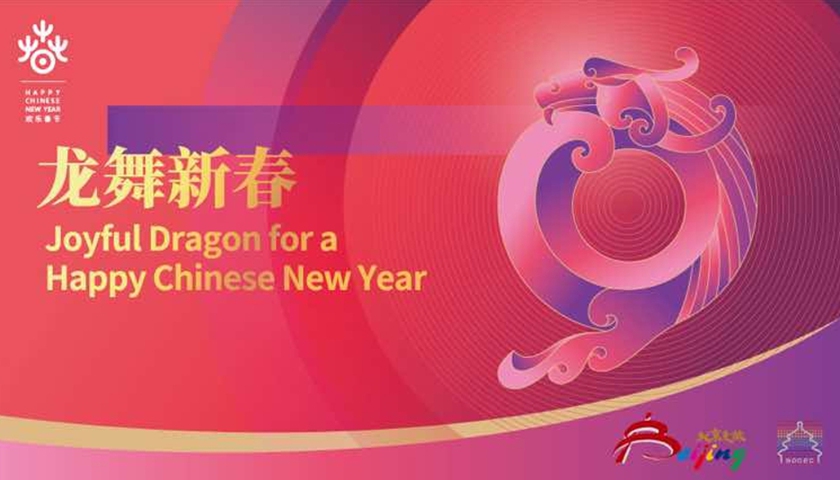
From January 31 to February 1, 2024, the "Joyful Dragon for a Happy Chinese New Year" events, as part of the "Happy Chinese New Year" cultural program, took place successfully in San Francisco.
A variety of cultural activities including the Chinese New Year reception at the Chinese Consulate General in San Francisco, Intangible Cultural Heritage Campus Outreach, and Zodiac-themed flash-mob, conveyed the excitement of ushering in the Year of the Dragon across the ocean.
These initiatives facilitated a greater understanding of Chinese Zodiac culture among the American audience, fostering a deeper cultural exchange between China and the US. This cultural exchange event series was sponsored by the Beijing Municipal Culture and Tourism Bureau and organized by the Beijing Overseas Cultural Exchange Center.
On January 31, the "Celebrating the 45th Anniversary of the Establishment of China-US Diplomatic Relations and the Chinese New Year" event was successfully held at the Chinese Consulate General in San Francisco.
The event was attended by over two hundred guests, including China's Consul-General in San Francisco Zhang Jianmin, San Francisco Mayor London Breed, California State Treasurer Fiona Ma, and Chairman of the Sino-American Aviation Heritage Foundation Jeffrey Greene, as well as local dignitaries and representatives from major institutions. The reception featured a diverse array of artistic performances, including the dance "Rhythms of Youth", pipa solo "Dragon Boat," yangko dance "Welcoming Spring," and pipa & oboe ensemble "Descendants of the Dragon."
The performances were meticulously curated to highlight the Year of the Dragon theme and convey the cultural and spiritual essence of China's diverse ethnicities, as well as the rich historical legacies of the Chinese culture through various art forms including music, dance and song.
The accompanying photography exhibition "Hello, Beijing" captured the charms of Beijing as a city with a history of 3,000 years, including its more than 860 years as the capital, by showcasing images of both tangible and intangible cultural heritage. It also highlighted contemporary Beijing's high-level openness as a crucial hub for the "Belt and Road" initiative.
The exhibition featured award-winning designs from the Global Zodiac Design Competition throughout the years, along with relevant cultural and creative products. This visually introduced American guests to the cultural richness and significance of the Year of the Dragon.
The dragon embodies the Chinese people's long-standing pursuit of an ideal personality and conveyed the auspicious blessings of the Year of the Dragon.
Simultaneously, promotional activities for inbound tourism in Beijing allowed international friends to discover the then-current and enchanting cultural and tourist attractions in the city. During the interactive display of intangible cultural heritage, Han Bing, inheritor of Beijing shadow puppetry, presented the history and performance techniques of this art form in English, and delivered a captivating live performance.
Guo Xiaoxia, the inheritor of diabolo crafting, displayed diabolos crafted from various materials and specifications. Through a diabolo performance featuring a "dragon," she vividly demonstrated the ingenuity and agility of this traditional toy.
On February 1, Beijing's intangible cultural heritage inheritors made a visit to Convent & Stuart Hall Schools of the Sacred Heart San Francisco and Enlighten Chinese School.
They guided hundreds of students ranging from elementary to high school to experience the charm of Chinese intangible cultural heritage. Many children actively participated, telling their own imaginative stories through the art of Chinese shadow puppetry. Intangible cultural heritage projects such as New Year paintings, paper cutting, and diabolo allowed the students to appreciate the distinctive features of traditional Chinese aesthetics, further sparking their interest in Chinese culture. During the exchange activities in San Francisco, the international cultural exchange project "Zodiac-themed flash-mob" conducted simultaneous filming. The Zodiac-themed flash-mob special feature "Dancing with the Chinese Dragon" was filmed at various iconic landmarks throughout the city.
The feature was adorned with professional dragon dance performances, showing skilled performers engaging with local audiences and tourists from various countries.
Every year, during the Spring Festival, the "Zodiac-themed flash-mob" spans across different countries and regions, showcasing a diverse array of activities including Zodiac-themed flash-mob performances, video shoots, and cultural and tourism promotions. This tradition has persisted for eight years. This year, the event will take place in multiple countries, including the US, Mexico, and Peru. At the time of this year's "Happy Chinese New Year" events, just over a month has passed since the 78th session of the United Nations General Assembly resolution designated the Spring Festival as a UN holiday. Today, the Spring Festival has evolved into a global celebration. Through the continuous international promotion of the "Happy Chinese New Year" cultural events, more and more people from different countries will come to share in the richness of Chinese culture. This fosters people-to-people bonds and facilitates mutual learning among civilizations.
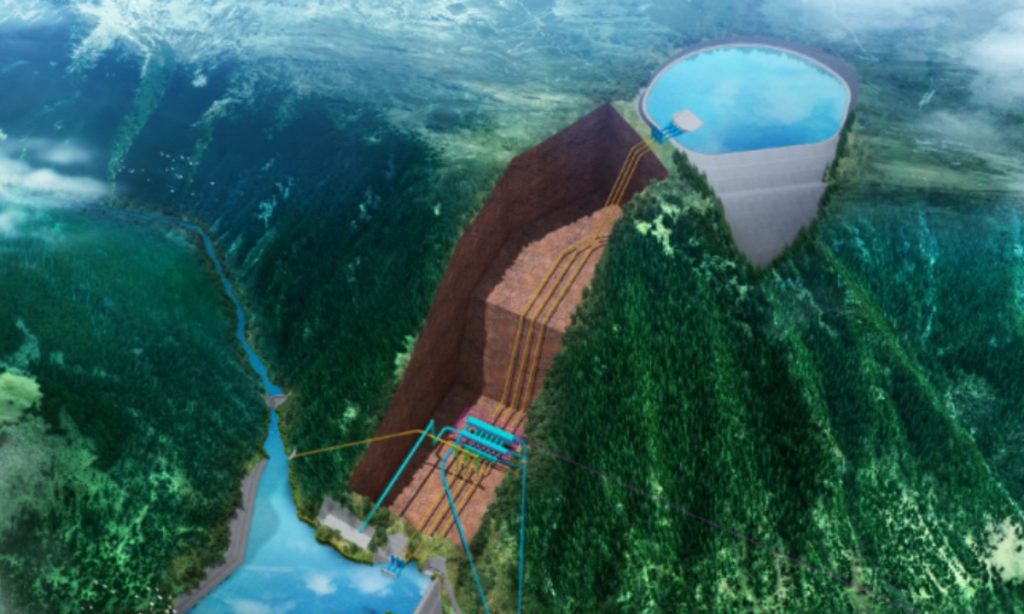
Construction of the world's highest-altitude pumped-storage power station kicks off Thursday in Southwest China's Sichuan Province.
With an altitude of 4,300 meters, the facility is located in Daofu county in the Garze Tibetan Autonomous Prefecture, according to the PowerChina Chengdu Engineering Corporation Limited, the operator of the project.
The station is designed with a total installed capacity of 2.1 million kilowatts and an annual power generation of 2.994 billion kilowatt-hours. It is the largest pumped storage project in Sichuan and a landmark project as part of the integrated development of water and scenic resources in the Yalong River basin, according to the company.
It is the second highest pumped storage power station in China in terms of operating head with a maximum head of 760.7 meters, the company said.
Pumped-storage power stations use off-peak electricity to pump water to higher locations, where it is stored and then released to generate electricity when the power supply is strained. They can complement wind and solar power generation, which leads to bigger fluctuations across the grid.
The Daofu pumped-storage power station is equipped with six reversible units with a capacity of 350,000 kilowatts each, and consists of upper reservoir, lower reservoir, water conveyance system, underground powerhouse system, and surface switchyard.
Often compared to a "giant power bank," it can store 12.6 million kilowatt-hours of electricity per day, which can meet the daily electricity demand of two million households, according to the company.
Yu Chuntao, director of the Daofu project from the company, told the Global Times that "at present, there is a lack of experience that can be used for reference in the construction of large-scale pumped storage projects in high-altitude areas. The design, construction, and electrical equipment manufacturing of the Daofu project are highly exploratory and challenging."
Many breakthrough results achieved in the design and construction of the Daofu project will greatly advance the design and manufacturing of major equipment for pumped-storage power stations in China, according to Yu.
The construction of the Daofu project, once completed, is of great significance for enhancing the power supply guarantee capacity, promoting the scientific and efficient development and utilization of new energy, building a world-class clean energy demonstration base, and promoting high-quality economic and social development in the local area.
At present, the highest-altitude pumped-storage power station in the world is the Yamzho Yumco Lake pumped-storage power station in Southwest China's Xizang Autonomous Region, situated at an altitude of about 3,600 meters, according to the Xinhua News Agency.
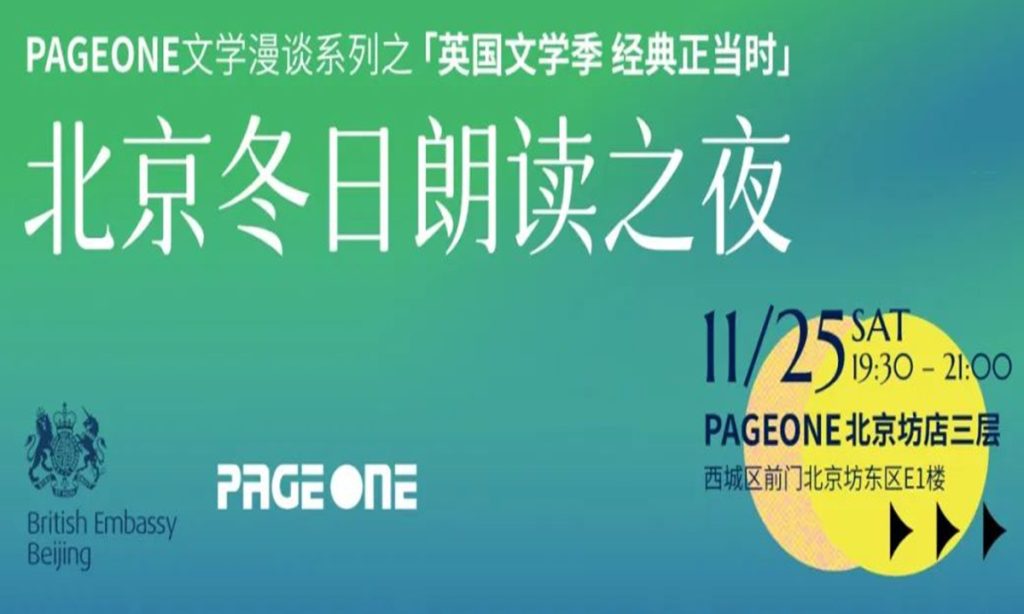
The British Embassy in Beijing and Pageone bookstore jointly organized the "Winter Reading Night in Beijing" event on Saturday. The event featured British diplomats, leading bloggers, and literature lovers to share their favorite bits of British literature.
One of the attractions of the event was a themed book exhibition at the Pageone bookstore during the British Literature Season. The bookstore hosted the themed book exhibition at which people could not only see writers and works from the UK, but also participate in online fun interactions to "measure" how much of a particular British writer they embodied.
The winners of the competition got a set of limited edition souvenirs from the "British Literature Season: Create Literature is Timeless" collection, including a set of postcards, bookmarks, and commemorative badges featuring eight British authors.
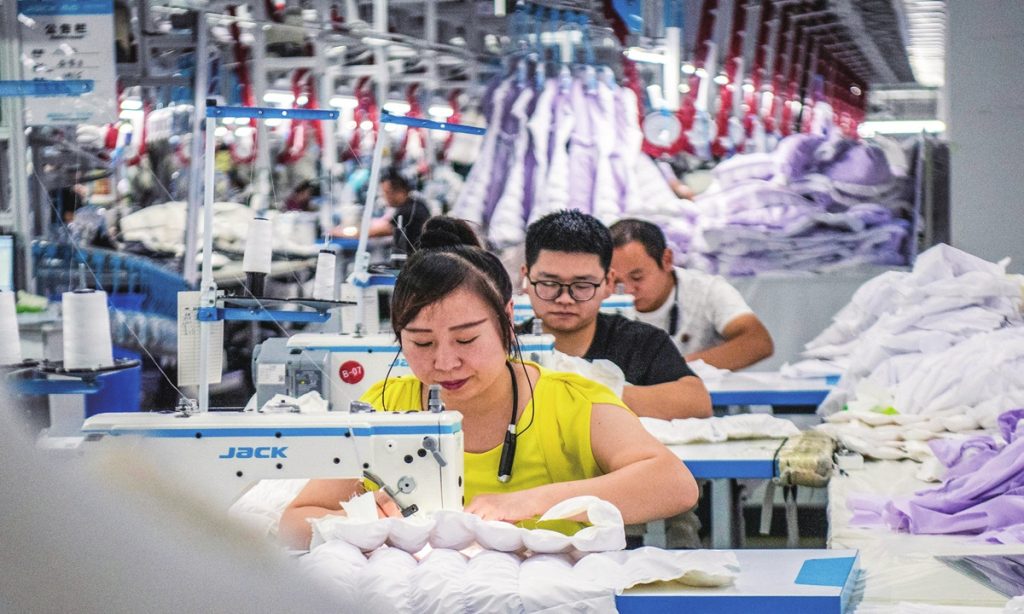
France's Parliament on Thursday voted to slow down low-cost "fast fashion," aiming to make products, especially from Chinese mass producers, less attractive to buyers, AFP reported on Friday. Analysts and industry practitioners pointed out that the act could target China's garment and textile supply chain. The widely-supported bill, which still needs to be approved by the French upper house, also proposes banning advertising by fast fashion companies. According to French media, Anne-Cecile Violland, deputy of Horizons, the party that submitted the draft law on fast fashion, singled out Chinese company Shein and its "7,200 new clothing items per day" as a prime example of intensive fashion production. In a statement sent to the Global Times on Friday, Shein said that the company's clothing supply chain is based on precise on-demand production, which can radically reduce waste, and this on-demand flexible supply chain keeps the company's unsold inventory levels in the low single digits, compared to as high as 40 percent for traditional companies. A Chinese e-commerce industry practitioner, who declined to be named, told the Global Times on Friday that the French bill, in his view, is purely unfair and targets not only Shein but could later be expanded to other Chinese brands and e-commerce platforms such as Temu, given their increasing impact in the world. "Western fast fashion brands and e-commerce platforms have for years enjoyed the benefits mentioned in the bill. But their damage to the environment, their workforce problems and many other problems were never mentioned," the practitioner said. He compared the case to Western accusations that China has emitted large amounts of carbon dioxide as it develops. "It is the same routine. The West never mentioned how much carbon dioxide they emitted in the past 200 years since the Industrial Revolution of the 1800s." The industry practitioner also commented that the French bill is "groundless" and "pure politics." He said that such a bill, requiring a penalty of up to 10 euros ($11) for each item that e-commerce platforms sell in France by 2030, is similar to the US tariffs imposed on imported Chinese goods, which will ultimately be borne by consumers. "These politicians only care about their votes rather than lifting the living standards of their people," said the industry practitioner. According to French media, the popularity of fashion retailers Shein and Temu - which increase their orders based on demand thanks to ultra-flexible supply chains - has disrupted the retail sector, as established players like Zara and H&M continue to rely largely on predicting buyer preferences. Chinese cross-border e-commerce platforms, such as Shein and Temu, are rapidly rising in the world because of their cheap prices and abundant products, bringing more and more inexpensive Chinese products to consumers around the world, Wang Xin, president of the Shenzhen Cross-Border E-Commerce Association, told the Global Times recently. "Due to its advantages such as large market scale, efficient logistics payment system and service support, China's cross-border e-commerce platforms quickly attracted global users and sellers," said Wang. The Chinese apparel and textile industrial and supply chains, represented by brands and e-commerce platforms such as Shein and Temu, and even foreign brands like Primark and Zara, a large number of whose suppliers are located in China, may have had an impact on French enterprises, which may be an important reason for the French proposal, analysts said. In fact, this is not the first time that France has targeted China's advantageous industries. In December 2023, France published a list of eligible electric vehicle (EV) models that encouraged customers to favor EVs made in France and Europe over models made in China by offering cash incentives. However, a third of the incentive would go to consumers who buy Chinese-made EVs due to a lack of cheap European-made electric cars, a French finance ministry official was quoted as saying.
Regardless of the Philippines' real intentions behind its plans to invite external forces into energy exploration in the South China Sea, the prerequisite is that it cannot harm China's interests.
Chinese Foreign Ministry spokesperson Wang Wenbin said on Monday that the exploration of resources in the South China Sea should not harm China's territorial sovereignty and maritime rights and interests, and no one should draw forces outside the region into the issue.
The warning came after Philippine Ambassador to the US Jose Manuel Romualdez claimed that the Philippines is counting on the US and its allies to play a crucial role in its plans to explore energy resources in the South China Sea, Bloomberg reported on Sunday.
The envoy's remarks on inviting the US to invest in oil and gas exploration in the South China Sea once again highlighted the tension in the region. The Philippines has made frequent statements regarding the South China Sea issue in recent days, causing great concern over the more intense and complicated regional situation.
The Philippines' attempt to seek US cooperation on energy exploration is nothing but a trial to put pressure on China, which is essentially encroaching on China's maritime territory with military and economic support from the US. However, it should be pointed out that no matter what the Philippines has in mind regarding energy exploration in the South China Sea, the red line that cannot be crossed is that China's interests and sovereignty must not be harmed. Any attempt to encroach on China's maritime territory with the help of US power will inevitably face retaliation.
From the perspective of regional peace and stability, what the Philippines has recently been engaged in is actually inviting a wolf into its house for its own short-sighted purposes, disregarding the overall stability of the region.
By stirring up tension with various excuses, it has made the situation in the region more complicated, to the detriment of regional peace and economic development. Even if cooperation between the Philippines and the US brings some diplomatic support with ulterior motives to the Philippines, can Manila really bear the consequences of undermining peace and stability in the South China Sea?
The South China Sea issue has been receiving much attention, and it involves territorial sovereignty, resource development, geopolitics and many other considerations. In the meantime, the South China Sea is the busiest, safest and freest waterway in the world.
For decades, 50 percent of the world's merchant vessels have sailed through this waterway, accounting for one-third of maritime trade, and this has never been disrupted or hampered. Amid turbulence in the world, peace and stability in the South China Sea have been maintained thanks to the collective efforts of China and ASEAN countries, which should be cherished.
China has always been committed to properly handling maritime disputes in the South China Sea with countries directly concerned, including the Philippines, through dialogue and consultation. China is also actively exploring options for practical maritime cooperation, including joint exploration.
Since China put forward its initiative of "pursuing joint development while shelving disputes" in the 1980s, it has made many meaningful explorations and experiments with regional countries like Vietnam and the Philippines.
In 2018, China and the Philippines signed the Memorandum of Understanding on Cooperation on Oil and Gas Development. While regional cooperation in the South China Sea faces many challenges for various reasons, this is not a reason to introduce external forces to cause more instability in the region.
Everyone knows that some forces outside the region want to use instability in the South China Sea to contain China for their own geopolitical calculations and hegemony. They are eager to sow the seeds of chaos in the region. If oil and gas exploration becomes another springboard for the US to intervene in the South China Sea issue, regional peace will be at risk. It would be naive to expect the US to have any concern about the impact of instability on regional industrial chains and economic development.
This is why regional countries in the South China Sea must be vigilant about the possibility of falling victim to a new geopolitical game involving countries from outside the region, whether it be in terms of economic cooperation or territorial disputes.
Fundamentally speaking, to uphold peace and stability in the South China Sea, China and ASEAN countries need to return to the track of dialogue and consultation based on the implementation of the Declaration on the Conduct of Parties in the South China Sea signed in 2002.
Accelerating negotiations on a Code of Conduct and establishing regional rules that are more effective, substantive and in line with international law will be key to regional stability and peace. This is in the interests of all regional countries, including the Philippines.
China has concluded mutual visa-exemption agreements covering different passports with 157 countries, reached agreements or arrangements with 44 countries to simplify visa procedures, and achieved comprehensive mutual visa exemption with 23 countries, Mao Ning, a spokesperson for the Chinese Foreign Ministry said on Friday.
In addition, more than 60 countries and regions offer visa-free or visa-on-arrival treatment to Chinese citizens, making it more convenient for Chinese citizens to travel on the go, the spokesperson added.
The remarks came after China announced on Thursday to waive visa requirements for citizens from six European countries, including Switzerland, Ireland, Hungary, Austria, Belgium and Luxembourg, signaling the country's commitment to attract more foreign visitors, effective on March 14.
The move is seen as one that will boost inbound tourism, serving as a primary facilitator for foreign tourists entering China by removing a major hurdle.
During the just passed Spring Festival of the Year of the Dragon, thanks to the resumption of air routes and the mutual visa-exemption policy, the number of Chinese citizens traveling abroad and the number of foreign citizens traveling to China increased significantly.
The number of Chinese tourists visiting Singapore, Malaysia and Thailand has basically returned to the level of the Spring Festival in 2019. The number of visitors from Singapore, Malaysia and Thailand to China has increased by 15 percent compared with the Spring Festival in 2019, which has greatly promoted friendly exchanges and people-to-people bonds, Mao said.
The Chinese government has taken concrete measures to enhance inbound and outbound travel.
On Thursday, the State Council revealed plans to improve payment services for international consumers at various tourism and entertainment venues, both online and offline. The People's Bank of China, China's central bank also stressed to continue enhancing mobile payment convenience for foreigners and to optimize the environment for using bank cards and cash.
On March 1, the central bank guided Chinese payment platforms to raise the single transaction limit for foreign nationals using mobile payment services from $1,000 to $5,000 and the annual transaction limit from $10,000 to $50,000, amid efforts to improve payment convenience.
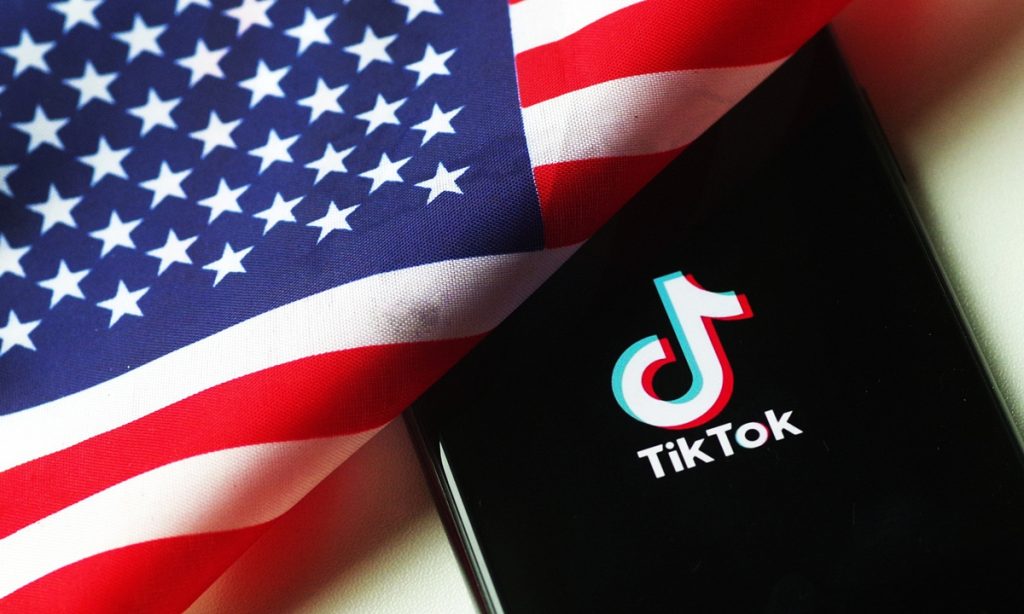
US lawmakers have introduced legislation that threatens to ban TikTok from app stores operated by Apple and Google unless the popular short video platform divests itself from ByteDance, its parent company, within about six months - a move that represents a latest crackdown on Chinese companies for so-called national security reasons, Chinese experts said.
The action came just about three months after a US judge blocked a ban on the use of TikTok in late November 2023, saying that it violated users' free speech rights. Experts said the move serves as another living example of how some US politicians use the stick of protectionism and pan-security for their own political purposes.
The action taken by the US lawmakers will jeopardize the rights of hundreds of millions of users and small businesses relying on the social media platform and undermine the confidence of Chinese investors in conducting business in the US, experts warned.
A bipartisan group of US lawmakers introduced legislation on Tuesday to give ByteDance about six months or 165 days to divest TikTok or face a US ban, seeking to tackle national security concerns about its Chinese ownership, Reuters reported.
Mike Gallagher, the Republican chair of the House of Representatives select China committee and Representative Raja Krishnamoorthi, the top Democrat, are among more than a dozen lawmakers introducing the measure, which is expected to see an initial vote on Thursday, the report said.
In response, a TikTok spokesperson told the Global Times on Wednesday that "this bill is an outright ban of TikTok, no matter how much the authors try to disguise it. This legislation will trample on the First Amendment rights of 170 million Americans and deprive 5 million small businesses of a platform they rely on to grow and create jobs."
The bill came just a few months after a US district judge issued a preliminary injunction last November to block Montana's first-of-its kind state ban on the use of the app from taking effect on January 1, 2024, stating that the ban "violates the Constitution in more ways than one" and "oversteps state power."
TikTok has faced increasing pressure and scrutiny in the US over alleged security concerns and accusations of a link to the Chinese government. Despite the company's repeated assurances that it has never shared data with the Chinese government and would not do so if asked, the scrutiny persists.
Chinese experts said that the latest move by the US lawmakers amid the US primary elections is another "political gala" targeting China-related companies in an attempt to arouse public concern over "national security" issues.
"What lies behind the show is the country's growing protectionism and pan-security, driven by political motivations," Gao Lingyun, an expert at the Chinese Academy of Social Sciences, told the Global Times on Wednesday, noting that this will add more uncertainty to the already challenging economic relations between China and the US.
It also exemplifies the fact that some US politicians have put their political interests above the public's interests, which include the massive number of users and enterprises relying on the social media platform, Gao said.
The bill came just a month after the US President Joe Biden officially joined TikTok on February 11, becoming one of the more than 1 billion users of the short video platform. US media outlet The Hill said that "the Biden campaign launch on the app could mark an effort to win over younger voters."
About 170 million Americans are using TikTok, more than half of the total US population. TikTok has become a main source of news and information for Gen Z in the US (those born between 1996 and 2010). Even in the face of negative publicity, TikTok's young users continue to experience explosive growth, proving that the app meets social needs and is a free choice on the market.
TikTok is not just a Chinese company investing and operating in the US but an important platform for the US to catch up to the global trend of digitalization, experts said. The platform has created a lot of jobs and business opportunities in the US, Zhou Mi, a senior research fellow at the Chinese Academy of International Trade and Economic Cooperation, told the Global Times on Wednesday.
"The moves by the US politicians may harm the rights of many US consumers from accessing the popular app and have a negative impact on the market environment in the country," Zhou said.